Encyclopedia of South Dakota
These articles have been published online from Doane Robinson’s Encyclopedia of South Dakota as we believe they serve a beneficial purpose for genealogical research in South Dakota.

These articles have been published online from Doane Robinson’s Encyclopedia of South Dakota as we believe they serve a beneficial purpose for genealogical research in South Dakota.
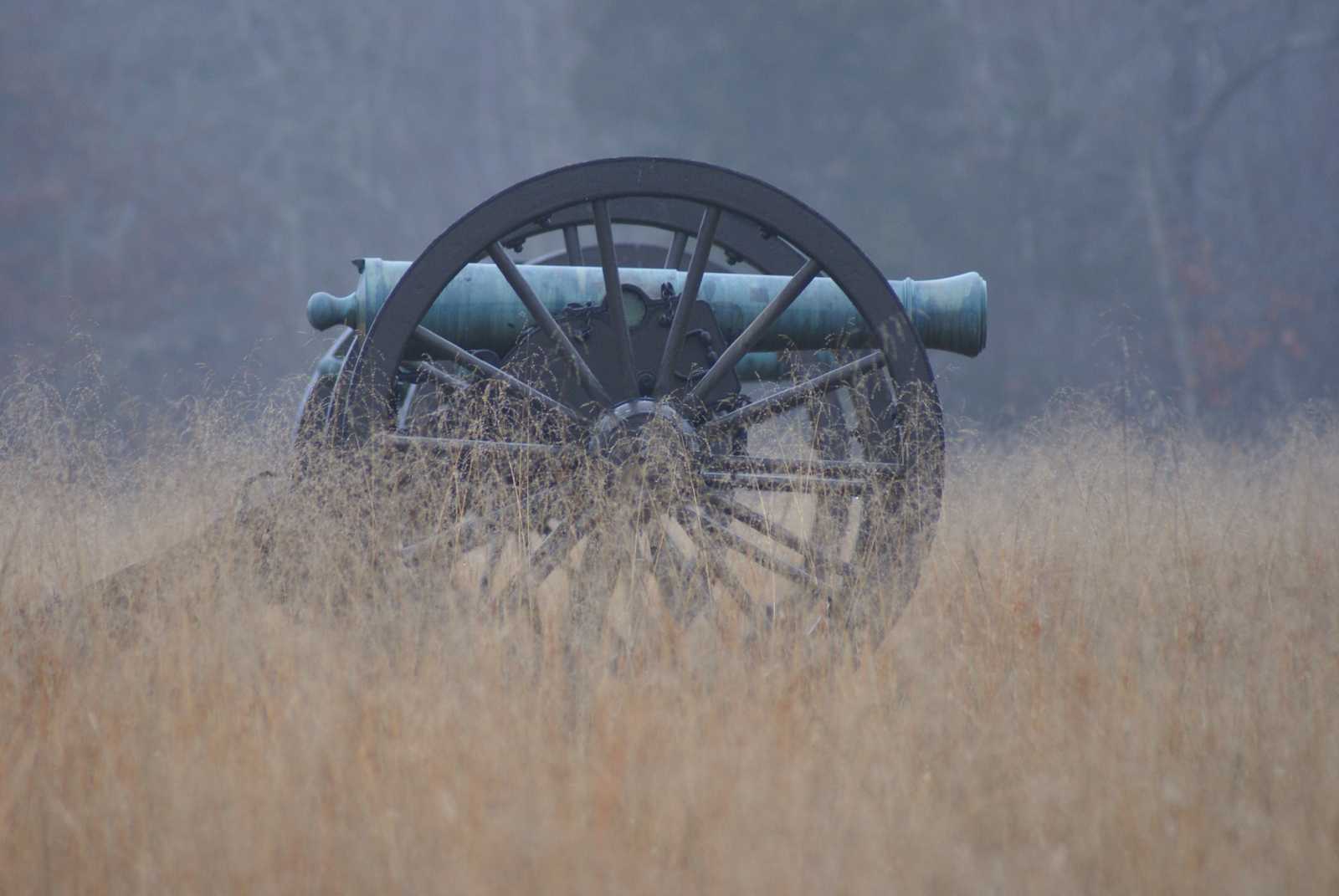
Company B of the Dakota Cavalry, formed in the early 1860s, included notable figures like Captain William Tripp and Lieutenant John R. Wood, both integral to the unit’s operations. The company consisted of diverse members—farmers, laborers, and mechanics—many of whom enlisted in Elk Point. After service, they returned to their communities, engaged in various professions, or, in some cases, faced challenges, such as injuries or mental health issues. Overall, the unit contributed significantly to local development and the larger story of the Dakota territory during and after the Civil War.
The Company Descriptive Book of Company A, Dakota Cavalry, 1862-1865 is not in the War Department and has probably been lost. The following roster was made from memory by Sergeant A. M. English, Second Lieutenant David Benjamin and Thomas Tate in 1899 and is believed to include all men who served in this company.
This article recounts the early history of the Brule area, focusing on the settlers’ efforts to transform the land into prosperous farmland during the 1860s. Key figures like Dr. A. R. Phillips, who hosted early religious services, and Elder Thomas Fate, who established the first Methodist congregation, played vital roles. The narrative highlights notable events, including the response to the 1862 Indian uprising that prompted a temporary evacuation to Sioux City. The settlers eventually constructed a fort for safety, symbolizing their resilience and determination in building a community amidst challenges.
Deaths of pioneers of prominence, resident or formerly resident of South Dakota, who died in 1917 and were reported by the South Dakota State Department of History.
Deaths of pioneers of prominence, resident or formerly resident of South Dakota, who died in 1916 and were reported by the South Dakota State Department of History.
This information comes from the 1880 mortality schedule for the Dakota Territory which comprised both the present states of North and South Dakota.
This information comes from the 1870 mortality schedule for the Dakota Territory which comprised both the present states of North and South Dakota.
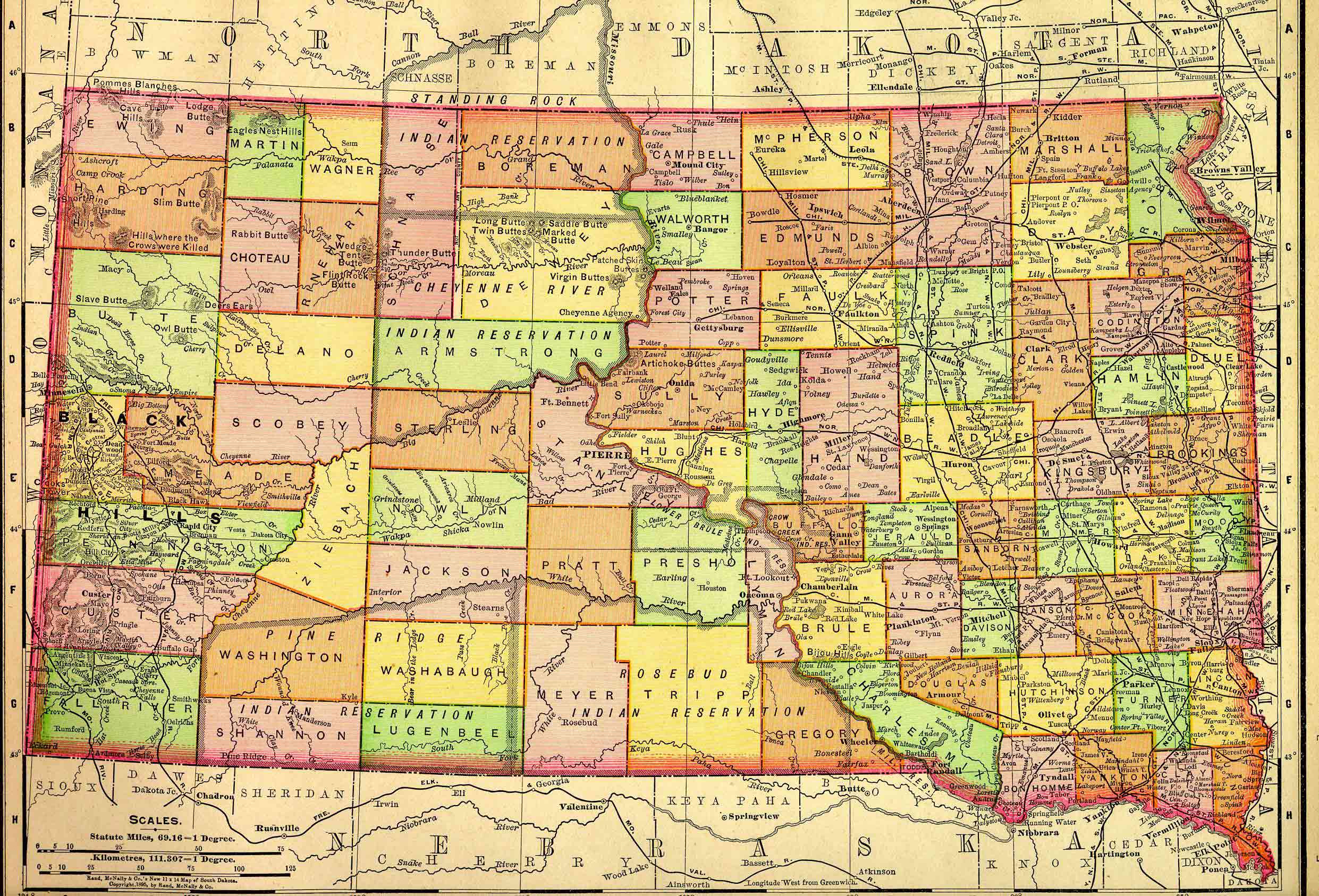
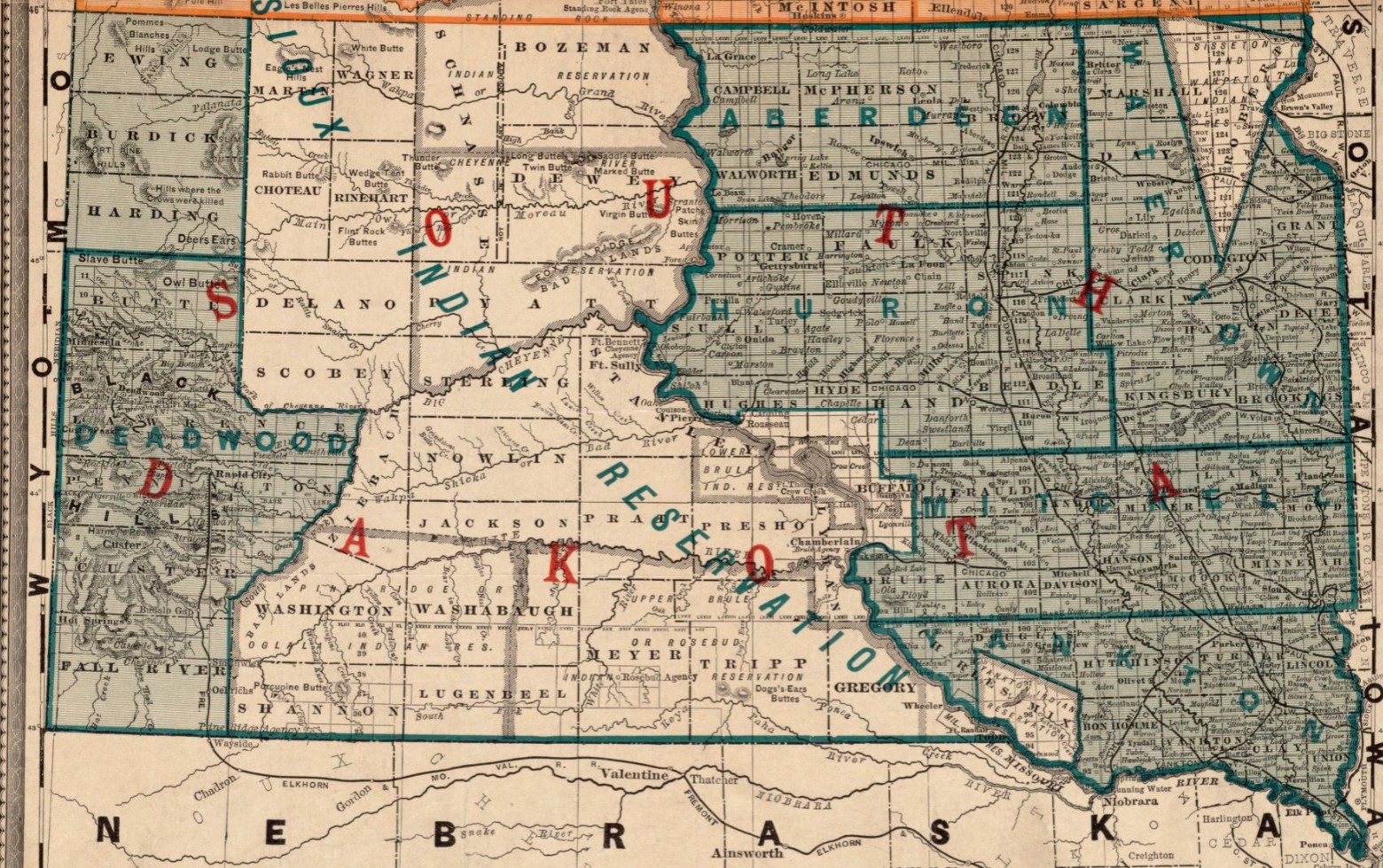
This South Dakota state project is part of the much larger American History & Genealogy Project or better known by the abbreviation of AHGP. It has been in existence online since 2000 and over the years has been spread out across the web. These pages are an attempt to consolidate it under one website of the larger project.

The article references the “Historical Register and Dictionary of the United States Army” by Francis B. Heitman, published in 1903, which is a valuable resource for understanding U.S. military history, including details about historic military forts. This source can enhance knowledge about the military presence in Indian Territory.
The article references the “Historical Register and Dictionary of the United States Army” by Francis B. Heitman, published in 1903, which is a valuable resource for understanding U.S. military history, including details about historic military forts. This source can enhance knowledge about the military presence in South Dakota.